
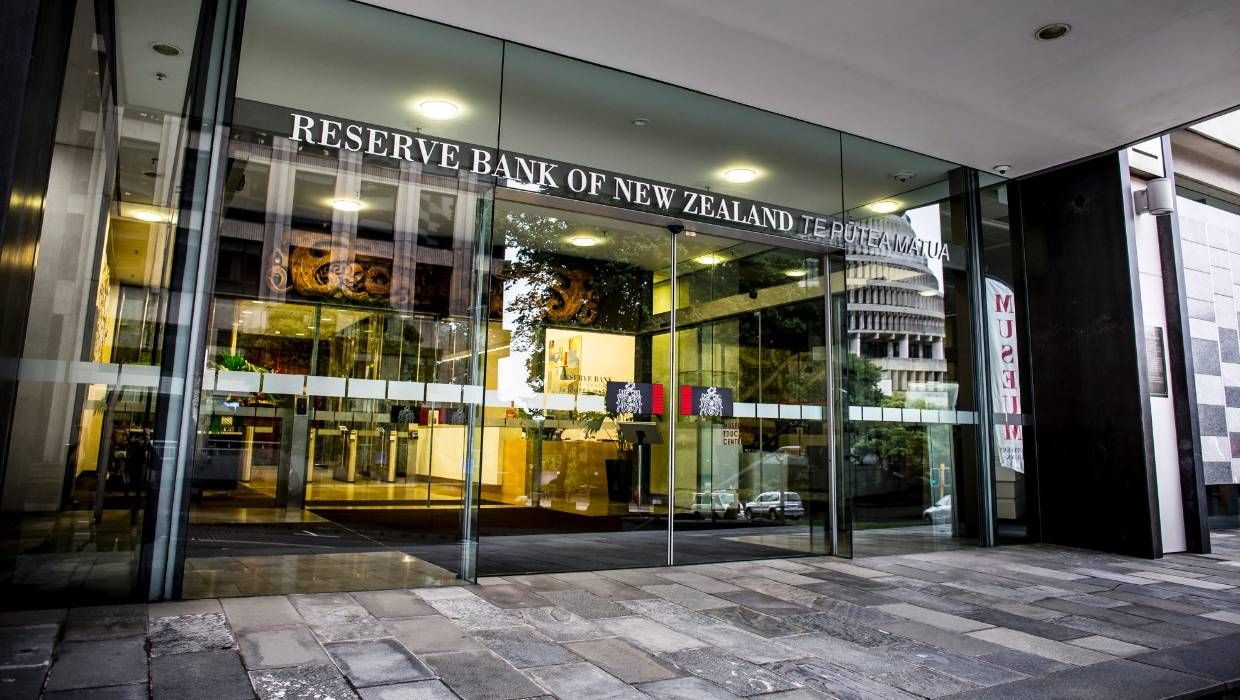
You’ve seen the headlines: “Reserve Bank to Announce OCR Decision.” Soon after, your bank’s mortgage or savings rates shift. As a new build investor, this isn’t just news; it’s a critical factor influencing your portfolio and cash flow. Understanding this financial dance empowers you to make smarter investment decisions. So, what exactly is the Official Cash Rate (OCR), and how does its ripple effect impact your investment properties?
Let’s pull back the curtain. We’ll explore why the OCR is so important, how banks react – and even pre-empt – the Reserve Bank of New Zealand’s (RBNZ) announcements, and what it all means for your investment strategy. This isn’t just about numbers; it’s about the strategy that shapes your returns in New Zealand’s property market.
What is the Official Cash Rate (OCR)?
Think of the OCR as the central nervous system of New Zealand’s economy. It’s the wholesale interest rate set by the RBNZ, our central bank. The RBNZ uses it primarily to manage inflation and maintain economic stability – both crucial for a stable investment environment.
Simply put, the OCR is the rate at which commercial banks borrow from or deposit with the RBNZ. This single rate sets the foundation for all other interest rates in the country.
- When the RBNZ raises the OCR: It becomes more expensive for banks to borrow. This drives up their operational costs, which they pass on to customers through higher interest rates on loans – including your investment property mortgages. The goal is to cool spending, which helps control rising inflation, potentially impacting rental yields and capital growth.
- When the RBNZ lowers the OCR: It becomes cheaper for banks to borrow. This encourages them to lower interest rates, making it more affordable for investors to take out loans for new builds or expand their portfolios. The aim is to stimulate spending and boost economic activity, which can benefit property markets.
The RBNZ’s Monetary Policy Committee meets seven times a year to review the OCR. Each announcement is a key date for property investors.
The Bank’s Crystal Ball: Pre-empting the OCR
Here’s where it gets interesting for investors. Banks don’t just wait for the official announcement. They’re constantly trying to predict the RBNZ’s next move through extensive economic analysis.
Leading up to an OCR decision, bank economists are scrutinizing the same data the RBNZ is reviewing. They examine key economic indicators like:
- Inflation rates: Is the cost of living eroding purchasing power and potentially impacting construction costs or rental demand?
- Employment data: A strong job market often means more renters and less risk.
- GDP growth: Is the economy expanding, supporting property values and rental growth?
- Global economic trends: What international factors could influence New Zealand’s economy and property market?
Based on this analysis, economists form a view on the likely direction of the OCR. This forward-looking approach explains why banks sometimes adjust their interest rates before the RBNZ’s announcement. They are positioning themselves ahead of the curve. For example, if high inflation and low unemployment suggest an OCR hike, banks might increase their fixed-term mortgage rates for investors weeks in advance.
How Much Could You Borrow?
The Immediate Aftermath: Reacting to the Announcement
Once the OCR decision is public, the gears turn quickly. The announcement confirms or corrects market predictions, and banks adjust their strategies accordingly.
Floating vs. Fixed Rates: What Investors Need to Know
The OCR’s impact differs significantly between floating and fixed rates – a crucial distinction for your investment financing.
Floating Investment Loan Rates
Floating (or variable) rates are directly and quickly influenced by the OCR. Because the OCR affects a bank’s day-to-day funding costs, an OCR change will almost always trigger a corresponding change in floating mortgage rates and revolving credit facilities. If the OCR goes up by 0.25%, expect your floating rate to increase by a similar amount within days, if not hours. This directly impacts your monthly cash flow.
Fixed Investment Loan Rates
Fixed rates are different. They aren’t directly tied to today’s OCR but are influenced by what the market predicts the OCR will be in the future, over the term of your fixed loan.
When you lock in a two-year fixed mortgage for your new build, your bank is essentially betting on future interest rates. To fund this, banks often use the wholesale swap market. The rates in this market (known as “swap rates”) are based on long-term predictions.
This is why fixed rates can sometimes move differently than the OCR. For instance:
- The RBNZ might raise the OCR today.
- However, if the market believes this hike will successfully curb inflation and lead to future OCR cuts, long-term swap rates might fall.
- As a result, a bank might actually lower its two- or three-year fixed investment mortgage rates, even as the OCR and floating rates go up.
This forward-looking nature of fixed rates means they often move before the RBNZ acts. Banks adjust them based on market sentiment and their own economic forecasts, so investors need to watch these broader market signals.
The Impact on Savers: Your Deposit and Equity
Interest rate changes aren’t just about borrowing; they also affect your savings and potentially the returns on any cash held for deposits or future investments.
When the OCR rises, banks not only charge more for loans but also compete for deposits. To attract your money, they will offer higher interest rates on term deposits. This is good news for investors with cash reserves.
Conversely, when the OCR falls, returns on savings products tend to drop. Banks have less incentive to offer high returns because their funding costs are lower. In a low-OCR environment, finding a decent return on parked capital can be challenging.
Just like with mortgage rates, banks are always looking ahead. They may increase term deposit rates in anticipation of an OCR hike to lock in funds early – an opportunity for savvy investors.
The Big Picture: Strategy and Competition
Beyond the mechanics, bank interest rate decisions are driven by business strategy and intense competition in New Zealand’s banking sector. Every bank wants to attract and retain customers, whether they are owner-occupiers or property investors.
This competitive pressure can influence how aggressively a bank passes on OCR changes. For instance:
- A bank aiming to grow its investment loan book might delay passing on an OCR increase to appear more attractive to new build investors than its rivals.
- A bank might offer a special, market-leading fixed rate for investment properties to capture a larger share of the investor market.
- Conversely, a bank might be the first to pass on a rate cut to attract new investment borrowers quickly.
These decisions are a balancing act. Banks need to manage their profit margins while also staying competitive to win your investment business.
Which Investment Property Strategy suits you?
What This Means for New Build Investors
Understanding how banks react to the OCR empowers you to make more informed financial decisions for your property portfolio. Here are key takeaways for new build investors:
- Watch the Economic Indicators: Pay close attention to news about inflation, employment, and GDP growth. These are the crucial clues that help you anticipate interest rate movements, informing your borrowing and cash flow forecasts.
- Strategic Fixed-Rate Decisions: When considering a fixed-rate mortgage for a new build, don’t just look at today’s OCR. Pay attention to economists’ forecasts for the coming years. This insight can help you strategically decide whether to fix for a short or long term, balancing risk and potential savings.
- Optimize Savings Returns: When talk of potential OCR hikes emerges, it’s a prime time to shop around for term deposit rates. Banks may offer competitive deals in anticipation, helping your capital work harder.
- Shop Around Aggressively: Never assume your current bank has the best offer for investment loans. The competitive market means better rates are often available. Comparing offers from multiple lenders is one of the smartest moves you can make to optimize your investment returns.
The relationship between the OCR and your bank’s interest rates is a dynamic interplay of economic science, market prediction, and competitive strategy. By understanding these moving parts, you move from being a passive observer to an active participant in managing and growing your new build investment portfolio.
About New Build Investor & Equiti
New Build Investor is a digital knowledge hub, powered by equiti, a New Zealand company helping growth-minded Kiwis build investment property portfolios.
Visit equiti.co.nz to view a range of investment properties available now.