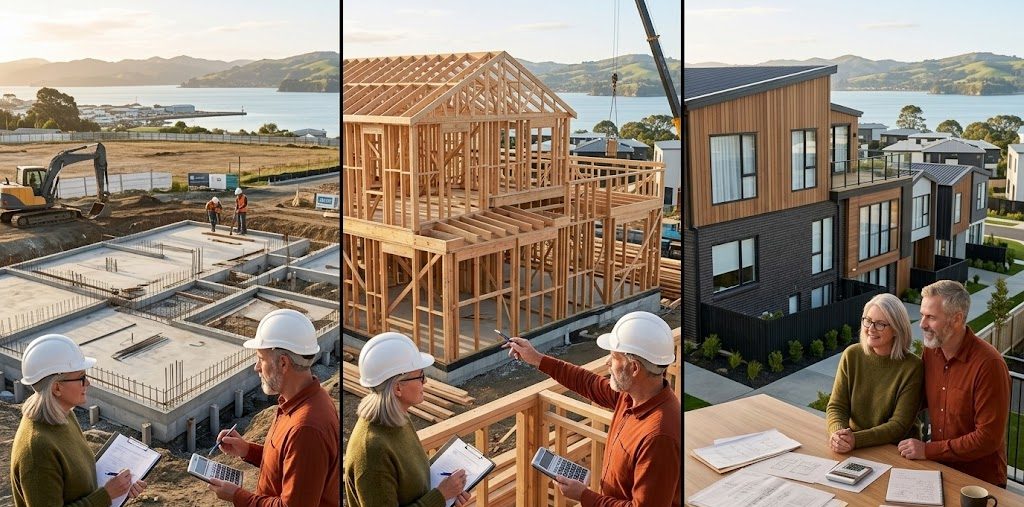

Investing in property has long been a reliable strategy for building wealth, and in New Zealand, it’s a particularly popular option due to the enduring demand for housing. However, taking the first steps toward building a property portfolio can seem overwhelming. Starting with one new build property offers an excellent gateway into real estate investment, laying a solid foundation for future growth. This blog will guide you through the process of building a property portfolio starting with a new build.
Why Choose a New Build Property?
New build properties offer several advantages for first-time investors or those looking to expand their portfolio in New Zealand. For one, they often come with lower maintenance costs as the property and appliances are brand new, thus reducing the need for immediate repairs. Additionally, under New Zealand tax law, new builds are exempt from certain tax deductions and bright-line test rules, providing significant financial incentives. These properties are also highly attractive to tenants, which can lead to reduced vacancy periods.
Step 1: Setting Your Investment Goals
Before purchasing any property, it’s critical to define your investment goals. Are you looking for long-term capital growth, consistent rental income, or a mix of both? The goal helps shape your strategy and determines the type of new builds you should consider. For instance, properties in urban growth areas may yield strong capital gains, while properties in more suburban or regional areas might offer better rental yields.
Which Investment Property Strategy suits you?
Step 2: Conduct Market Research
Conducting thorough market research is a vital step. Look into areas experiencing population growth or significant infrastructure developments, as they tend to attract tenants and boost property values. Regions like Auckland, Hamilton, or Christchurch often present exciting opportunities for new builds, thanks to strong demand for housing and ongoing development. Pay attention to factors such as average rental yields, vacancy rates, and future growth projections.
Step 3: Partnering with Reliable Developers
When purchasing a new build, selecting a reputable developer is non-negotiable. Reputable developers ensure that your property is completed on time, built to a high standard, and complies with New Zealand building codes and regulations. Read reviews, check completed projects, and consult references to avoid potential pitfalls.
Step 4: Understanding Your Financing Options
Financing a new build property differs slightly from purchasing an existing home. New Zealand banks often offer preferential lending rates for new builds. Some lenders may require staged payments based on construction progress, while others offer mortgage products requiring payment upon full completion. Consult a mortgage broker to understand which option fits your financial situation and explore ways to maximise your borrowing capacity while maintaining a safety buffer.
How Much Could You Borrow?
Step 5: Cash Flow Management
Cash flow is the lifeline of any property portfolio, especially when starting out. A well-structured investment strategy takes into account all potential expenses, including loan repayments, insurance, rates, property management fees, and any unforeseen repairs.
Step 6: Leveraging the New Build for Future Investments
Once your new build investment is operational and generating income, you’re in a strong position to expand your portfolio. The key to diversification is leveraging the equity you’ve built in your first property and reinvesting it into different types of investments.
Diversification Strategies
Diversifying ensures your portfolio is not overly reliant on one type of property or location. Here are several diversification strategies to consider:
- By Property Type: Expand into different property types, a mix of standalones, townhouses or dual income dwellings.
- By Location: Spread your investments across multiple cities or regions, such as investing in Auckland, Christchurch, and Tauranga to hedge against market fluctuations.
Download the Playbook to Build a Property Portfolio
Step 7: Monitoring, Maintenance, and Portfolio Review
Owning a diversified property portfolio requires ongoing responsibility. Regularly review your portfolio to ensure it aligns with your investment goals. Market conditions fluctuate, so optimising returns may involve refinancing to release equity, adjusting rent, or selling underperforming assets to reinvest in higher-performing ones.
Taking the Long-Term View
Real estate investing is not a “get rich quick” scheme. Building a diversified property portfolio is a long-term commitment requiring patience and careful planning. Starting with a new build can provide a relatively low-risk entry into the market while allowing you to build equity that forms the foundation for future investments. Over time, reinvesting your earnings will enable you to create a balanced portfolio that withstands market fluctuations and ensures financial security.
About New Build Investor & Equiti
New Build Investor is a digital knowledge hub, powered by equiti, a New Zealand company helping growth-minded Kiwis build investment property portfolios.
Visit equiti.co.nz to view a range of investment properties available now.