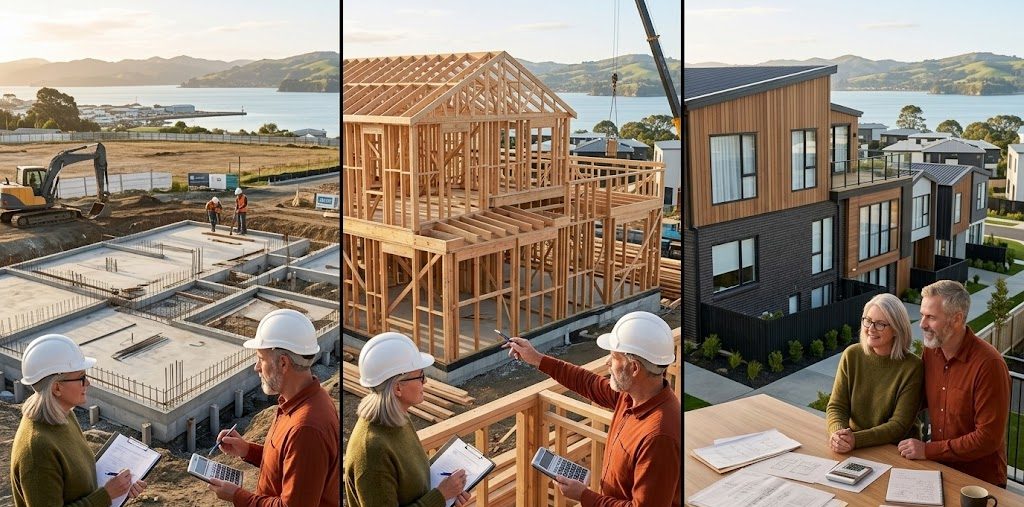

For decades, the traditional advice for property investors was simple: buy as close to the city centre as possible. The belief was that the Central Business District (CBD) was the heart of economic activity, and value radiated outward from there. While location remains crucial, the dynamic of our cities is shifting.
We are witnessing the phenomenon of urban sprawl, the expansion of cities into previously rural or semi-rural areas. Far from being a negative trend, this expansion is creating vibrant new communities and significant opportunities for smart investors. Understanding why cities are spreading out, and how to identify the next growth hotspot, can help you secure high-performing assets with long-term potential.
Understanding the Drivers of Urban Sprawl
Urban sprawl is not happening by accident. It is the result of powerful economic and social forces that are reshaping how and where we live. To invest successfully, you need to understand what is pushing people toward the city fringes.
- The Search for Affordability
As property prices in major city centres continue to rise, many buyers and tenants are being priced out of the market. First-home buyers and young families, in particular, are looking further afield to find homes that fit their budget. The “commuter belt” offers a trade-off: a slightly longer drive in exchange for a more affordable, often larger, home.
- The Need for Housing Supply
New Zealand’s population is growing, and our existing urban centres are becoming increasingly dense. To meet the demand for new homes, councils and developers are unlocking land on the outskirts of cities. These new subdivisions allow for the rapid construction of modern housing stock, which is essential for easing the housing shortage.
- Infrastructure Improvements
Sprawl is only sustainable if people can move easily between their homes and their workplaces. Significant investment in infrastructure, such as new motorways, bypasses, and public transport links, has made living on the periphery more practical. When travel times are reduced, the definition of “commutable” expands, opening up vast new areas for development.
Which Investment Property Strategy suits you?
Case Study: The Rise of Rolleston
There is perhaps no better example of successful urban sprawl in New Zealand than Rolleston, located just south-west of Christchurch. Twenty years ago, Rolleston was a small rural service town. Today, it is one of the country’s fastest-growing towns and a thriving satellite of Christchurch.
The Catalyst for Growth
The transformation of Rolleston was driven by a combination of post-earthquake displacement and strategic infrastructure investment. Following the Canterbury earthquakes, families sought stable ground and new housing. Rolleston offered abundant land zoned for residential development.
However, the real game-changer was the Christchurch Southern Motorway. This major infrastructure project drastically reduced travel times between Rolleston and the Christchurch CBD. Suddenly, living in Rolleston didn’t mean being isolated; it meant enjoying a relaxed lifestyle while being just a 20-minute drive from the city.
The Investment Result
For early investors in Rolleston, the results have been impressive.
- Capital Growth: As the town grew, land values surged. What started as affordable entry-level housing saw significant appreciation as the town established its own identity.
- Tenant Demand: Rolleston didn’t just attract buyers; it attracted tenants. Families flocked to the area for the modern, warm, dry new build homes that were hard to find in older Christchurch suburbs.
- Community Amenities: As the population grew, so did the amenities. New schools, supermarkets, a massive sports centre, and retail precincts followed the rooftops. This “amenity value” further cemented Rolleston’s appeal and protected property values.
Rolleston demonstrates that investing in sprawl isn’t just about buying cheap land; it is about identifying areas where infrastructure and population growth are converging.
The Benefits of Investing in Expanding Areas
Investing in areas experiencing urban sprawl offers distinct advantages over buying in established, inner-city suburbs.
Lower Barrier to Entry
Properties in satellite towns or new subdivisions are typically more affordable than those in the city centre. This lower price point allows investors to enter the market sooner or purchase a higher quality asset for the same budget. You get “more house for your money,” which often translates to better rental yields.
Potential for Capital Growth
When you buy in a developing area, you are often buying at the start of the growth curve. As the subdivision matures, trees grow, schools open, cafes establish, and transport links improve, the desirability of the area increases. This process, known as gentrification or maturation, drives the value of your property up over the long term.
High-Quality Housing Stock
Urban sprawl is almost exclusively driven by new build developments. For investors, this means acquiring assets that are:
- Low Maintenance: Brand new materials and warranties mean fewer repair bills.
- Compliant: New builds meet all current Healthy Homes standards and building codes.
- Desirable: Modern tenants prefer the comfort, warmth, and energy efficiency of a new home.
Download the Guide to Usable Equity
How to Identify the Next Growth Opportunity
You missed the start of the Rolleston boom, but the boom has only just started. To spot the next opportunity, you need to look for specific indicators of growth.
Follow the “Path of Progress”
Growth tends to follow infrastructure. Look at government and council transport plans. Where are the new expressways, train lines, or bypasses being built? Areas that are about to see a reduction in commute times are prime candidates for value growth.
Watch for Zoning Changes
Keep an eye on Council District Plans. When rural land is rezoned for residential use, it signals that the council expects and supports growth in that area. This rezoning is the first step in the transformation from paddock to property.
Look for Commercial Investment
Commercial businesses do extensive research before opening new stores. If you see major supermarket chains, fast-food franchises, or big-box retailers securing sites in a small town or fringe suburb, take note. They are betting on population growth, and their presence will, in turn, attract more residents.
Analyse the “Ripple Effect”
Price growth often moves like a ripple in a pond. When a city suburb becomes too expensive, buyers move to the next suburb out. Eventually, that suburb becomes expensive, and the ripple moves further. Look at the suburbs bordering current hot spots, they are likely next in line for growth.
The Future of Urban Investment
The way we view location is evolving. The rise of hybrid working models means many employees no longer need to commute to the office five days a week. This shift has made living further from the CBD even more attractive. If you only travel to the office twice a week, a 45-minute commute from a spacious new home in a lifestyle subdivision is far more acceptable than it was a decade ago.
Urban sprawl is set to continue as a defining feature of our property market. For investors, the key is to look beyond the current city limits. By identifying regions with strong infrastructure plans, growing populations, and affordable new build options, you can position your portfolio to benefit from the inevitable expansion of our cities.
Investing in these emerging communities allows you to secure tangible, high-quality assets that serve a real need. It provides a pathway to wealth that is supported by the fundamental human desire for a better, more affordable place to live.
Take the Next Step with Expert Guidance
Understanding market trends and urban sprawl is our expertise. The team at New Build Investor and Equiti dedicate themselves to researching these growth patterns to identify the best investment opportunities for our clients.
If you’re ready to build a future-proof property portfolio by investing in the path of progress, get in touch with our team today. We can provide a personalised strategy to help you achieve your financial goals.
About New Build Investor & Equiti
New Build Investor is a digital knowledge hub, powered by equiti, a New Zealand company helping growth-minded Kiwis build investment property portfolios.
Visit equiti.co.nz to view a range of investment properties available now.