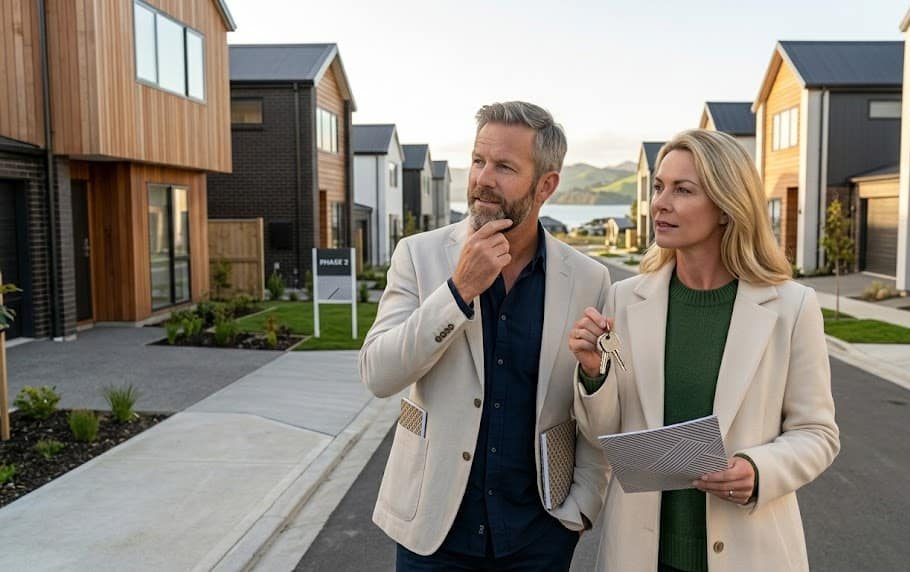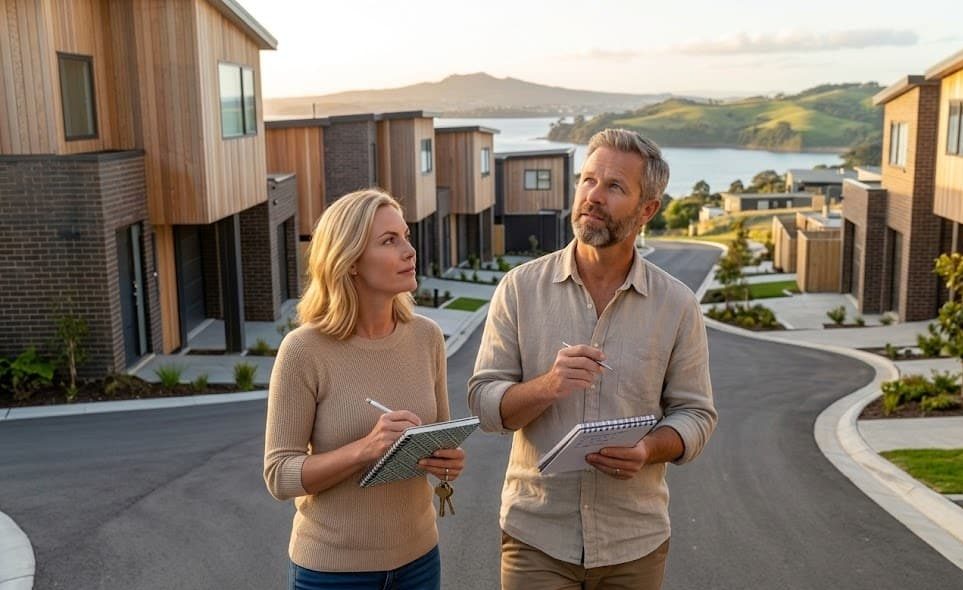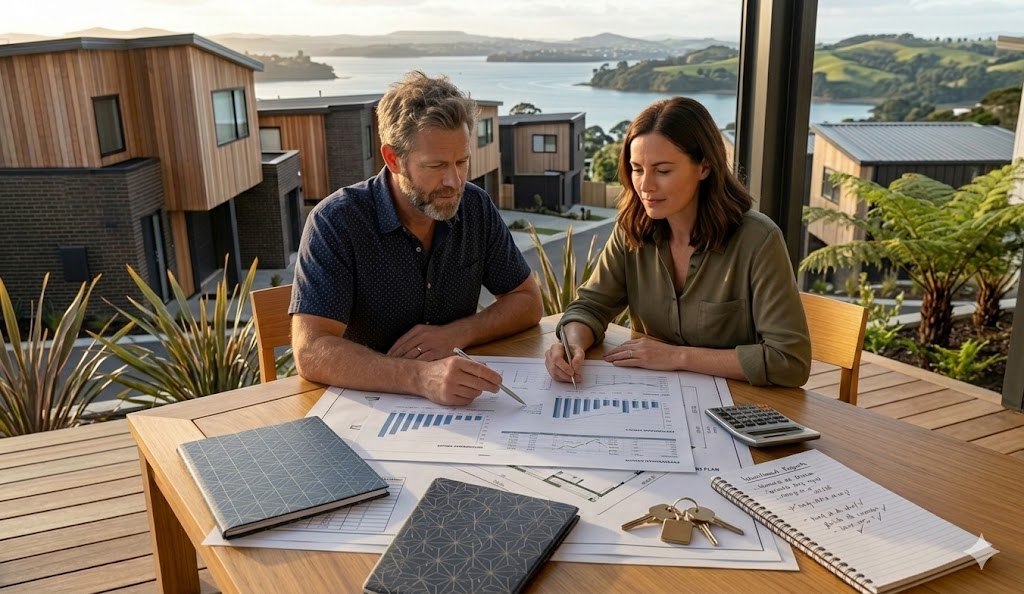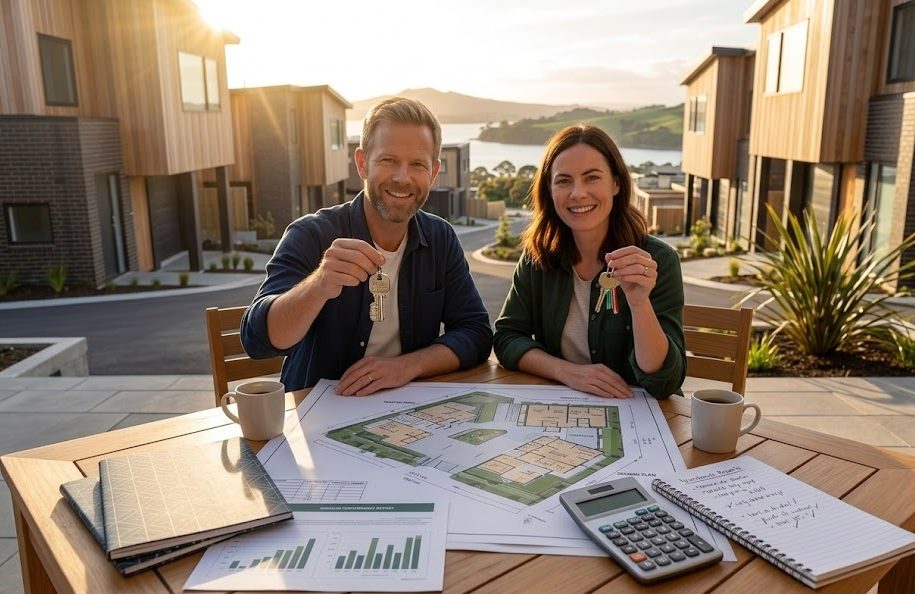

New Zealand’s architectural landscape is in a constant state of flux, shaped by its unique geography, cultural heritage, and the evolving needs of its people. From the early colonial villas to the iconic state houses of the mid-20th century, our homes have always told a story about who we are and how we live. Today, new build architecture is undergoing another significant transformation, driven by a desire for sustainability, flexibility, and a deeper connection to the environment.
This evolution isn’t just about aesthetics; it’s a direct response to modern challenges and preferences. As lifestyles change, so too must our homes. Let’s take a deep dive into the key trends shaping the new builds of today and tomorrow, exploring how they reflect our journey towards a more efficient, comfortable, and conscious way of living.
From ‘Big is Best’ to Smart, Efficient Spaces
For decades, the Kiwi dream often included a large house on a quarter-acre section. While spaciousness is still valued, the focus has shifted dramatically from sheer size to smart, efficient design. With rising land costs, urban densification, and a growing awareness of our environmental footprint, homeowners and architects are embracing the principle that better, not bigger, is the way forward.
Modern new builds prioritise clever use of space. Open-plan living remains a cornerstone, but it’s now more refined. We see multi-functional zones that can adapt to different activities throughout the day; a dining area that doubles as a home office, or a living room that seamlessly extends into an outdoor space. This flexibility is achieved through thoughtful layout planning, integrated storage solutions, and the use of features like sliding walls or pocket doors that allow spaces to be opened up or closed off as needed.
This trend is also a response to smaller household sizes and changing family structures. The need for four or five separate bedrooms is often replaced by a desire for more versatile living areas, a dedicated media room, or a self-contained unit for extended family or rental income. The result is a home that feels generous and uncluttered, even on a more compact footprint.
Sustainability: The Cornerstone of Modern Design
Perhaps the most significant driver in the evolution of New Zealand architecture is the urgent need for sustainability. No longer a niche interest, building green is now a mainstream expectation. This goes far beyond simply choosing a solar panel; it’s a holistic approach that influences every stage of the design and construction process.
Key pillars of sustainable new builds include:
- Passive Design Principles: Architects are increasingly harnessing natural elements to heat, cool, and light our homes. This involves careful consideration of the building’s orientation to maximise sun exposure in winter (for warmth) and minimise it in summer (to prevent overheating). Strategic placement of high-performance, double- or triple-glazed windows, coupled with effective insulation, creates a home that is naturally comfortable year-round, drastically reducing the need for artificial heating and cooling.
- High-Performance Materials: The Building Code sets minimum standards, but many new builds now aim for much higher performance. This includes using Structurally Insulated Panels (SIPs), thermally broken window joinery, and advanced insulation products. The goal is to create a highly insulated, airtight building “envelope” that prevents energy loss and maintains a stable indoor temperature.
- Renewable Energy and Water Conservation: The integration of solar panels is becoming standard practice, allowing homes to generate their own clean energy and even feed surplus power back to the grid. Rainwater harvesting systems are also common, collecting water for use in gardens, laundries, and toilets, which reduces reliance on municipal water supplies and helps manage stormwater runoff.
- Sustainable and Locally Sourced Materials: There’s a growing preference for materials that are not only durable and healthy but also have a low environmental impact. This includes using sustainably forested New Zealand timber, recycled materials, and products with low levels of volatile organic compounds (VOCs), which contributes to better indoor air quality.
These sustainable practices are not just about being eco-friendly; they deliver tangible benefits to homeowners. A well-designed, energy-efficient home is cheaper to run, healthier to live in, and more resilient to a changing climate, making it a sound long-term investment.
Download the Pre Approved Checklist
Connection to the Outdoors: Blurring the Lines
Kiwis have always had a love affair with the great outdoors, and modern architecture seeks to celebrate this relationship by erasing the boundaries between inside and out. The traditional backyard with a separate deck has evolved into a seamless extension of the main living area.
This is most commonly achieved through large-format sliding or bifold doors that open up entire walls, creating an uninterrupted flow to a covered deck, patio, or “outdoor room.” These outdoor spaces are designed to be used year-round, often featuring overhead cover, outdoor heating, and built-in kitchens or fireplaces. It’s about creating a lifestyle where cooking, dining, and relaxing can happen as easily outdoors as they do indoors.
This trend also extends to the use of natural light and views. Large picture windows are strategically placed to frame specific landscape features, whether it’s a mountain range, a patch of native bush, or the sea. Clerestory windows (high windows placed above eye level) are used to bring in light while maintaining privacy. The effect is a home that feels constantly connected to its surroundings, promoting a sense of calm and well-being.
Aesthetic Trends: Simplicity, Authenticity, and Texture
While functionality and sustainability are paramount, the look and feel of our new builds have also evolved. The current aesthetic leans towards a clean, minimalist and honest expression of materials.
- Simplified Forms: Complex rooflines and ornate details have given way to simpler, stronger geometric forms. Mono-pitch or gable roofs are popular for their clean lines and practicality, often combined in interesting ways to create dynamic and modern silhouettes.
- Natural Cladding Materials: There is a strong movement towards using natural and robust cladding materials that reflect the New Zealand landscape. Vertical timber weatherboards (particularly cedar and larch), often left to weather naturally or stained in dark, earthy tones, are incredibly popular. These are frequently paired with other honest materials like raw concrete, stone, and dark steel to create a palette that is both modern and timeless.
- Focus on Texture and Warmth: While the overall aesthetic may be minimalist, it’s far from cold. The emphasis on natural materials brings texture and warmth to both the exterior and interior. Inside, polished concrete floors, timber feature walls, and natural stone benchtops add layers of tactile interest, creating spaces that feel authentic and inviting.
This architectural style is a departure from the more uniform, plaster-clad homes of the early 2000s. It reflects a desire for authenticity and craftsmanship, resulting in homes that have character and are designed to age gracefully.
Download the Guide to Usable Equity
The Future: Technology and Adaptability
Looking ahead, new build architecture in New Zealand will continue to evolve, with technology and adaptability playing even greater roles.
- Smart Home Integration: Smart technology is becoming less of a luxury and more of an expected feature. This includes integrated systems for controlling lighting, heating, security, and entertainment, all manageable from a smartphone. The next step is for these systems to become more intuitive, learning a household’s habits to automatically optimise energy use and comfort.
- Prefabrication and Modular Construction: To address challenges of cost, quality control, and construction speed, off-site manufacturing (OSM) is gaining traction. Building components or entire modules in a factory setting allows for greater precision and less waste. This can lead to higher-quality, better-performing homes that are built faster and more efficiently.
- Designing for Adaptability: Architects are increasingly thinking about “future-proofing” homes. This means designing spaces that can adapt to a family’s changing needs over a lifetime. It might involve planning for the easy addition of a lift, designing a ground-floor suite that can accommodate an elderly parent, or creating layouts that can be easily reconfigured as children grow up and move out.
Conclusion: A Reflection of Modern Kiwi Values
The evolution of new build architecture in New Zealand is more than just a shift in style. It’s a thoughtful response to our changing world. The modern Kiwi home is smarter, greener, and more connected to its environment than ever before. It prioritises quality over quantity, efficiency over excess, and well-being over waste.
By embracing sustainable principles, flexible design, and an honest material palette, today’s architects and builders are creating homes that are not only beautiful and functional but also resilient and responsible. This evolution reflects a growing maturity in our national identity, a confidence in our own unique place in the world and a deep-seated commitment to preserving it for generations to come. As we continue to innovate, our homes will remain a powerful expression of our values and aspirations as a nation.
About New Build Investor & Equiti
New Build Investor is a digital knowledge hub, powered by equiti, a New Zealand company helping growth-minded Kiwis build investment property portfolios.
Visit equiti.co.nz to view a range of investment properties available now.